



Marriage brings two people together, but maintaining a healthy relationship requires communication, patience, mutual respect, and the willingness to understand each other. Over time, work pressure, financial responsibilities, family expectations, parenting challenges, and unresolved disagreements can create distance between partners. Even couples who care deeply about each other may find themselves repeating the same arguments without reaching a meaningful solution.
Seeking Marriage Counseling in Dwarka can provide couples with a structured and supportive environment to discuss their concerns, understand recurring patterns, and explore healthier ways to handle disagreements. Professional marriage counselling is not only for relationships facing a serious crisis. It may also help partners strengthen communication, rebuild emotional closeness, and prepare for major life changes.
Every marriage has its own circumstances. Some couples struggle with trust, while others experience a lack of affection, disagreements about responsibilities, or pressure from extended family. Understanding the underlying issues is often more useful than focusing only on the latest argument.
This guide explains when marriage counselling may be helpful, how sessions typically work, what to consider when choosing a counsellor in Dwarka, and which practical strategies couples can begin using in daily life.
What Is Marriage Counselling?
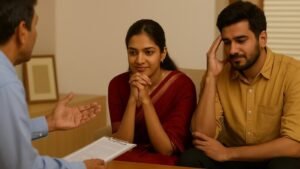
Marriage counselling, also called couples counselling, is a professional process that helps partners understand relationship difficulties and work toward healthier interactions. A counsellor may help couples identify communication habits, explore emotional needs, manage conflict, and discuss important decisions in a more constructive way.
Marriage Counseling in Dwarka, The goal is not to decide which partner is right or wrong. Instead, counselling encourages both individuals to understand how their words, reactions, expectations, and behaviours affect the relationship.
For example, one partner may become quiet during disagreements because they feel overwhelmed, while the other interprets that silence as a lack of interest. This can lead to repeated arguments even when both partners want to resolve the problem. Counselling may help them recognise the pattern and develop a different way to communicate.
People looking for Marriage Counseling in Dwarka may seek help for a specific concern or for several issues that have developed over time. The process can be tailored to the couple’s circumstances, goals, and readiness to participate.
Counselling does not guarantee reconciliation or prevent separation. It can, however, support clearer communication and more informed decisions about the future of the relationship.

7 Benefits of Marriage Counseling in Dwarka
Professional counselling can offer several potential benefits when both partners are willing and it is appropriate for their situation.
1. Better Communication Between Partners
Many relationship disagreements become more difficult because partners struggle to express their needs clearly. A conversation about household responsibilities, for instance, may quickly turn into criticism about a person’s character or past behaviour.
Marriage Counseling in Dwarka, A counsellor can help partners practise listening without interrupting, expressing feelings without blame, and asking questions before making assumptions. These skills can make everyday conversations less defensive and more productive.
Instead of saying, “You never care about me,” a partner might explain, “I feel disconnected when we do not spend time together, and I would like us to plan an evening together.”
This change does not remove the underlying concern, but it makes the request easier to understand and discuss.
2. Managing Repeated Arguments
Some couples find themselves arguing about the same issue repeatedly. The disagreement may appear to concern money, chores, punctuality, or family visits, but deeper concerns about fairness, respect, or feeling valued may also be involved.
Counselling can help identify what triggers these arguments and how each partner responds. Couples may learn to pause a conversation when emotions become overwhelming, return to it at an agreed time, and focus on one issue rather than bringing up every past disagreement.
3. Rebuilding Trust After Relationship Difficulties
Trust can be affected by dishonesty, broken promises, secrecy, or other painful experiences. Rebuilding it often requires more than an apology. The affected partner may need honest answers, consistent behaviour, clear boundaries, and time to decide whether trust can develop again.
Marriage Counseling in Dwarka, A counsellor may help partners discuss the impact of the event, clarify expectations, and assess what changes would be necessary to move forward. Reconciliation should never be forced, and forgiveness should not be treated as an immediate obligation.
4. Improving Emotional Connection
Partners can become emotionally distant even when they continue sharing a home and daily responsibilities. Busy schedules, unresolved resentment, or limited meaningful conversation may leave one or both feeling lonely.
Marriage Counseling in Dwarka, Counselling can help couples discuss emotional needs and identify small opportunities for reconnection. These might include regular conversations without distractions, expressing appreciation, sharing responsibilities more fairly, or spending time together without discussing problems.
5. Handling Family and Parenting Pressures
Marriage may involve relationships with parents, in-laws, children, and other relatives. Differences in expectations about family visits, financial support, childcare, or household decisions can create tension.
A counsellor may help partners establish boundaries and agree on how decisions will be made. The purpose is not to encourage conflict with relatives but to help the couple communicate respectfully and act as a team.
6. Making Major Decisions Together
Marriage Counseling in Dwarka, Couples may disagree about having children, changing careers, relocating, managing savings, or caring for ageing parents. These are important decisions that can affect both partners for years.
Counselling provides an opportunity to explore priorities, fears, practical limitations, and possible compromises. Sometimes partners discover a workable shared plan; in other cases, they gain a clearer understanding of their differences.
7. Developing Long-Term Relationship Skills
Counselling can also help couples who are not in crisis. Learning how to address concerns early, discuss expectations, and repair misunderstandings may support a healthier relationship over time.
Marriage Counseling in Dwarka, The skills developed during sessions can be practised outside counselling. Progress depends on the circumstances, the suitability of the approach, and each partner’s willingness to participate.
Common Marriage Problems That May Benefit From Counselling
Relationships are influenced by individual personalities, past experiences, responsibilities, and changing circumstances. Several common difficulties may lead couples to consider professional support.
Communication Problems
Poor communication may involve frequent criticism, avoiding difficult conversations, interrupting, making assumptions, or expecting a partner to understand unspoken needs. Over time, these habits can create frustration and emotional distance.
Counselling may help couples recognise how they communicate under stress and practise more respectful alternatives.
Trust and Jealousy
Suspicion, secrecy, or disagreements about privacy can make a relationship feel insecure. Partners may have different expectations about friendships, social media, personal space, and sharing information.
Marriage Counseling in Dwarka, A constructive discussion can clarify boundaries and identify what each person needs to feel respected. However, privacy and trust should not be confused with controlling another person’s movements, contacts, or access to support.
Financial Disagreements
Money can represent security, independence, family responsibility, or personal freedom. Couples may disagree about spending, saving, debt, financial support for relatives, or whether purchases should require mutual approval.
Marriage Counseling in Dwarka, Creating a shared budget and discussing financial priorities can help. Counselling may be useful when financial conversations repeatedly lead to blame or conflict.
Emotional or Physical Disconnection
Some partners feel that affection, intimacy, or quality time has decreased. The reasons may include stress, health concerns, unresolved resentment, changing needs, or difficulties discussing intimacy.
Partners can benefit from discussing these concerns without pressure or assumptions. Consent, personal boundaries, and respect remain essential in every relationship.
External Family Pressure
Extended family involvement may become difficult when partners have different expectations about traditions, responsibilities, or decision-making. Problems can intensify when one person feels caught between their spouse and relatives.
Marriage Counseling in Dwarka, Couples may need to clarify which decisions belong to them, how to respond to intrusive questions, and how to communicate boundaries respectfully.
How Marriage Counselling Sessions Usually Work

Understanding the process can reduce uncertainty for couples who have never attended counselling.
The Initial Consultation
The first session usually involves discussing the relationship history, the concerns bringing the couple to counselling, and what each partner hopes to achieve. The counsellor may ask about recurring disagreements, important life events, communication patterns, and previous attempts to resolve problems.
Marriage Counseling in Dwarka, Both partners should have an opportunity to speak. It is reasonable to ask about confidentiality, its limits, the counselling approach, session arrangements, and any circumstances in which individual meetings may be recommended.
Identifying Relationship Patterns
In later discussions, a counsellor may help partners recognise patterns that keep a problem going. For example, one partner may repeatedly seek reassurance while the other withdraws from difficult conversations. Each response can unintentionally intensify the other person’s reaction.
Understanding the pattern can help couples consider alternative responses rather than treating one partner as the entire problem.
Practising New Skills
Depending on the counsellor’s approach, sessions may include guided conversations, communication exercises, reflection questions, or practical tasks to try at home.
Marriage Counseling in Dwarka, A couple might agree to hold a short weekly discussion about responsibilities, using specific requests rather than criticism. At the next session, they can discuss what worked, what felt difficult, and what needs to change.
Reviewing Progress
Counselling goals should be realistic and meaningful to both partners. Progress may involve fewer escalated arguments, improved listening, clearer boundaries, or a better understanding of whether the relationship can meet both people’s needs.
Not every concern will be resolved quickly. If the approach does not seem suitable, couples can discuss this openly with the counsellor.
Choosing a Suitable Marriage Counsellor in Dwarka
Selecting a counsellor is an important decision because couples may need to discuss sensitive personal experiences. Convenience matters, but professional suitability, communication style, privacy, and a clear process should also guide the choice.
When comparing options for Marriage Counseling in Dwarka, consider the following factors.
Verify Qualifications and Relevant Experience
Look for a professional with appropriate qualifications, training, and experience in relationship or couples counselling. Ask about their approach to recurring conflict, trust concerns, family pressures, and other issues relevant to your situation.
Marriage Counseling in Dwarka, Do not assume that every mental health professional has specialised training in couples work. It is reasonable to ask how they work with partners together and how they handle disagreements between them.
Understand the Counselling Approach
Different professionals may use different therapeutic approaches. Ask how sessions are structured, whether both partners usually attend, how goals are established, and how progress is reviewed.
A suitable counsellor should explain the process in language you understand and give you space to ask questions. You should not feel pressured to accept a particular decision about staying together or separating.
Consider Privacy and Accessibility
If you live or work in Dwarka, travel time, appointment availability, and access to the location may affect whether regular attendance is practical.
Ask how records are maintained, who can access them, and what confidentiality limits apply. These questions are especially important if family members share devices, email accounts, or other personal resources.
Discuss Fees and Session Arrangements
Ask about the fee per session, duration, cancellation policy, payment arrangements, and whether the initial consultation differs from later appointments. Costs vary between providers, so request current details directly rather than relying on assumptions.
A clear explanation of practical arrangements can help couples decide whether the service is manageable for them.

Online vs. In-Person Marriage Counselling
Both online and face-to-face sessions may be useful, depending on the couple’s circumstances and the professional’s assessment.
In-Person Counselling
Meeting in person may feel more comfortable for couples who prefer a dedicated setting away from everyday distractions. It can also help establish a regular routine for discussing relationship concerns.
When selecting a local service, consider travel time, accessibility, appointment schedules, and whether the environment offers appropriate privacy.
Online Counselling
Online sessions can reduce travel and may make it easier for partners with different work schedules to attend. They can be particularly convenient when one partner is temporarily away from home.
However, each partner needs a private space, a reliable connection, and the ability to speak freely. Online counselling may not be appropriate when someone cannot participate safely or confidentially.
Before beginning Marriage Counseling in Dwarka, ask whether remote sessions are available and whether the counsellor recommends them for your circumstances. The format should support honest participation rather than simply being the easiest option.
What to Expect From the Counselling Process
Couples often want to know how many sessions they will need and when they should expect improvement. There is no universal timeline. The process depends on the concerns involved, the duration of the difficulties, safety considerations, and the willingness of both partners to participate.
Some people notice useful changes in how they communicate before their underlying disagreements are fully resolved. Other concerns may require more time, individual support, or a different professional approach.
When Professional or Immediate Support Is Necessary
Consider professional support when disagreements become persistent, communication repeatedly breaks down, trust concerns remain unresolved, or emotional distance affects daily life. You do not have to wait until a relationship reaches a crisis before seeking help.
However, ordinary couples counselling is not always appropriate where there is violence, intimidation, coercive control, or a credible fear of retaliation. In these circumstances, safety should come first. A person experiencing abuse may need confidential individual support, a specialised domestic abuse service, or emergency assistance rather than joint sessions.
Frequently Asked Questions
1. When should couples consider Marriage Counseling in Dwarka?
Couples may consider counselling when arguments become repetitive, communication breaks down, trust is affected, or emotional distance grows. It can also help partners navigate major life changes or clarify expectations before problems become more difficult to manage.
2. Can marriage counselling help with communication problems?
Counselling may help partners recognise unhelpful communication habits and practise listening, expressing needs clearly, and resolving disagreements more constructively. Outcomes vary depending on the circumstances and participation of both partners.
3. Do both partners need to attend every session?
Joint participation is often central to couples counselling, but arrangements vary. A counsellor may recommend individual meetings for specific reasons. Ask how such meetings are handled and what confidentiality policies apply.
4. How do I choose a marriage counsellor in Dwarka?
Review relevant qualifications, couples counselling experience, therapeutic approach, privacy practices, accessibility, and fees. During an initial conversation, ask how the professional establishes goals and handles situations where partners have different expectations.
5. Is online marriage counselling effective?
Online counselling may be helpful for some couples, particularly when travel or scheduling is difficult. It requires a private environment and reliable communication. Suitability depends on the relationship concerns, safety, and the professional’s assessment.
Conclusion
A healthy marriage does not require partners to agree on everything. It requires ways to discuss differences, respond to emotional needs, make decisions respectfully, and address problems before they become overwhelming. When these skills are difficult to develop alone, professional guidance may offer a constructive place to begin.
Choosing Marriage Counseling in Dwarka involves considering the counsellor’s qualifications, experience, communication style, privacy practices, and suitability for your particular concerns. Whether you are dealing with repeated arguments, trust issues, family pressure, or emotional distance, clear goals and realistic expectations can help you make informed decisions.
Contact Information

Dr. Jyoti S Sharma
Certified Psychologist & Music Therapist
15+ Years of Experience
Worked with BLK-Max & Medeor Hospitals
Website: cultoccult.com